
Emerging technologies such as AI, blockchain, IoT, and satellite monitoring are not only enhancing the efficiency and transparency of carbon credit trading but are also helping to scale the market to meet global climate goals.
NOTE: The views expressed here are solely those of the author and/or interview subject and do not represent positions of IEEE. Some references may require subscription to access content.
As the world moves toward a low-carbon future, the role of technology in emissions tracking and carbon trading becomes critical. The integration of blockchain, satellite and remote sensing, IoT, and AI technologies is creating a more accurate, transparent, and efficient carbon market. These advancements not only enhance the credibility of carbon trading but also support the broader goal of reducing global greenhouse gas (GHG) emissions.
Carbon credit trading has become a pivotal component in the global effort to combat climate change. It allows organizations to offset GHG emissions by investing in environmental projects. Technology plays an increasingly critical role in ensuring its efficiency, transparency, and integrity.
The trading of carbon credits occurs in both compliance and voluntary markets. Compliance markets are regulated by governments and international agreements, while voluntary markets allow businesses and individuals to offset their carbon footprints on their own initiative. The effectiveness of these markets relies heavily on the accurate measurement, verification, and transfer of carbon credits, areas where technology is making significant advancements.
One of the most transformative technologies in carbon credit trading is blockchain. Known for its decentralized and immutable nature, blockchain offers a transparent and secure way to track and verify the creation, ownership, and retirement of carbon credits [ 1 ]. While blockchain technology offers significant benefits, its high energy consumption requires careful consideration of its environmental impact.
Blockchain’s decentralized ledger records every transaction involving carbon credits in a transparent and tamper-proof manner. This transparency is crucial in a market where the legitimacy of carbon credits can be questioned. By ensuring that credits are not double-counted or fraudulently created, blockchain builds trust among market participants.
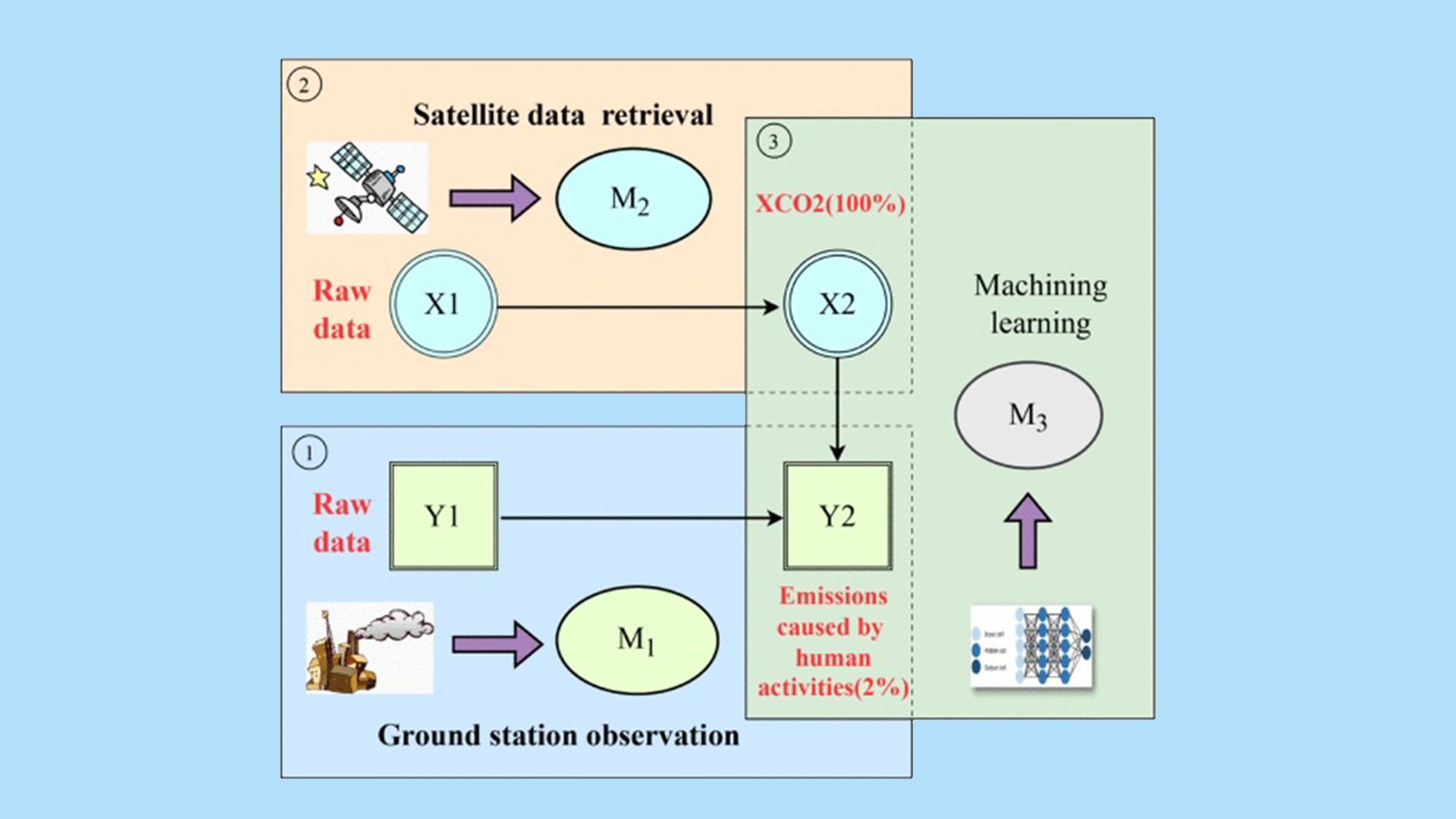
Verification of emissions reductions is a critical challenge in carbon credit trading. Blockchain technology, along with satellite and remote sensing technologies, is now providing new ways to monitor and verify emissions reductions with unprecedented accuracy [ 2 ].
Satellites equipped with advanced sensors can monitor GHG emissions from virtually anywhere on the planet. This global coverage is particularly important for large-scale environmental projects, such as reforestation or methane capture, which are often located in remote areas. By providing real-time data on these projects, satellites help ensure that the emissions reductions claimed by these projects are real and verifiable.
Methane, a potent greenhouse gas, has become a key target for emissions reduction. The Environmental Defense Fund’s MethaneSAT and the European Space Agency’s trip of Sentinel satellites are examples of advanced satellites that are equipped to detect and measure methane emissions from various sources, including oil and gas facilities [ 3 ], landfills, and agricultural sites. This capability allows for more precise carbon crediting based on methane reductions, which are crucial for global climate efforts.
The Internet of Things (IoT) plays a significant role in the real-time monitoring and data collection necessary for carbon credit trading. IoT devices, such as sensors placed in industrial facilities, agricultural fields, or forests, continuously measure various environmental parameters, including carbon dioxide and methane levels [ 4 ]. The IEEE IoT Journal is a valuable resource for research on this topic.
IoT devices provide real-time data that is crucial for the dynamic nature of carbon credit trading. For example, a company that implements energy efficiency measures can use IoT sensors to monitor its emissions reductions in real time. This data can then be used to generate carbon credits more quickly and accurately, enhancing the liquidity and responsiveness of the carbon market.
In their paper, Carbon Emission Monitoring and Credit Trading: The Blockchain and IOT Approach [ 5 ], presented at the 18th International Computer Conference on Wavelet Active Media Technology and Information Processing, the authors propose blockchain and IoT to monitor emissions using a smart contract.
Artificial intelligence (AI) and machine learning (ML) also play a growing role in carbon credit trading. These technologies are used to analyze large datasets, identify trends, and optimize trading strategies [ 6 ].
AI can process the vast amounts of data generated by IoT devices, satellites, and other sources to identify patterns and trends in emissions reductions. This analysis can help companies and investors make more informed decisions about which carbon credits to buy or sell, based on the projected performance of different environmental projects.
Machine learning algorithms can be trained to detect anomalies [ 7 ] or discrepancies in emissions data. By identifying potential fraud early, these technologies help maintain the integrity of the carbon market.
AI-driven trading platforms can optimize the buying and selling of carbon credits, ensuring that credits are traded at the best possible prices [ 8 ]. These platforms can also match buyers and sellers more efficiently, reducing transaction costs and increasing market liquidity.
As the global focus on climate intensifies, the demand for carbon credits is expected to grow, making the role of technology even more critical. Advancements will play a key role in driving the transition to a low-carbon economy, providing the tools and incentives needed to reduce global GHG emissions.
Source: https://sustainable-climate.ieee.org/
www.carbonhub.id